Cities and local governments face a unique challenge: creating safety programs that are both credible and scalable. While law enforcement and residents play vital roles, civic leaders provide the funding, visibility, and authority that bring neighborhood safety programs to life.
That’s why more municipalities are partnering with the National Neighborhood Watch™ Institute (NNWI) to deploy official Neighborhood Watch™ signage and decals. This blog explains why cities should adopt standardized signage as part of their public safety strategy.
Consistency Across Neighborhoods
One of the biggest challenges municipalities face is inconsistency. Some neighborhoods create homemade signs, while others opt not to. This patchwork approach undermines trust and creates confusion.
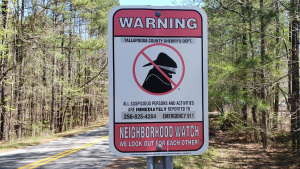
NNWI solves this with nationally recognized, standardized signage. Every sign communicates the same clear message: this neighborhood is organized, watchful, and supported by credible resources.
Scaling Public Safety Programs
Citywide safety programs require scalable solutions. NNWI provides bulk ordering options that allow cities to deploy signage across multiple neighborhoods quickly and affordably. With customization available, municipalities can even add city seals or co-branding to strengthen local authority.
Building Resident Trust
Public trust is the currency of civic leadership. By investing in NNWI signage, cities demonstrate commitment to resident safety in a visible, tangible way. Residents see the signs every day, reinforcing confidence in their city government.
According to studies by the U.S. Department of Justice, visible deterrence reduces crime and strengthens cooperation between communities and police. For city councils, it’s a straightforward way to build goodwill.
Practical Applications for Cities
- Citywide Deployment – Place signs in every district for consistent coverage.
- Partnership with Police – Distribute decals during community events.
- Integration with Civic Branding – Customize signage with city seals for a stronger local identity.
Trends in Municipal Safety
Expect more cities to adopt co-branded signage and digital integrations like QR codes linking signs to safety resources, reporting portals, or city websites. These trends make signage not just visible but interactive.
Conclusion
For city councils and civic leaders, standardized safety signage isn’t just a product; it’s a policy decision. NNWI makes safety visible, credible, and scalable, helping cities build stronger neighborhoods and more confident residents.